
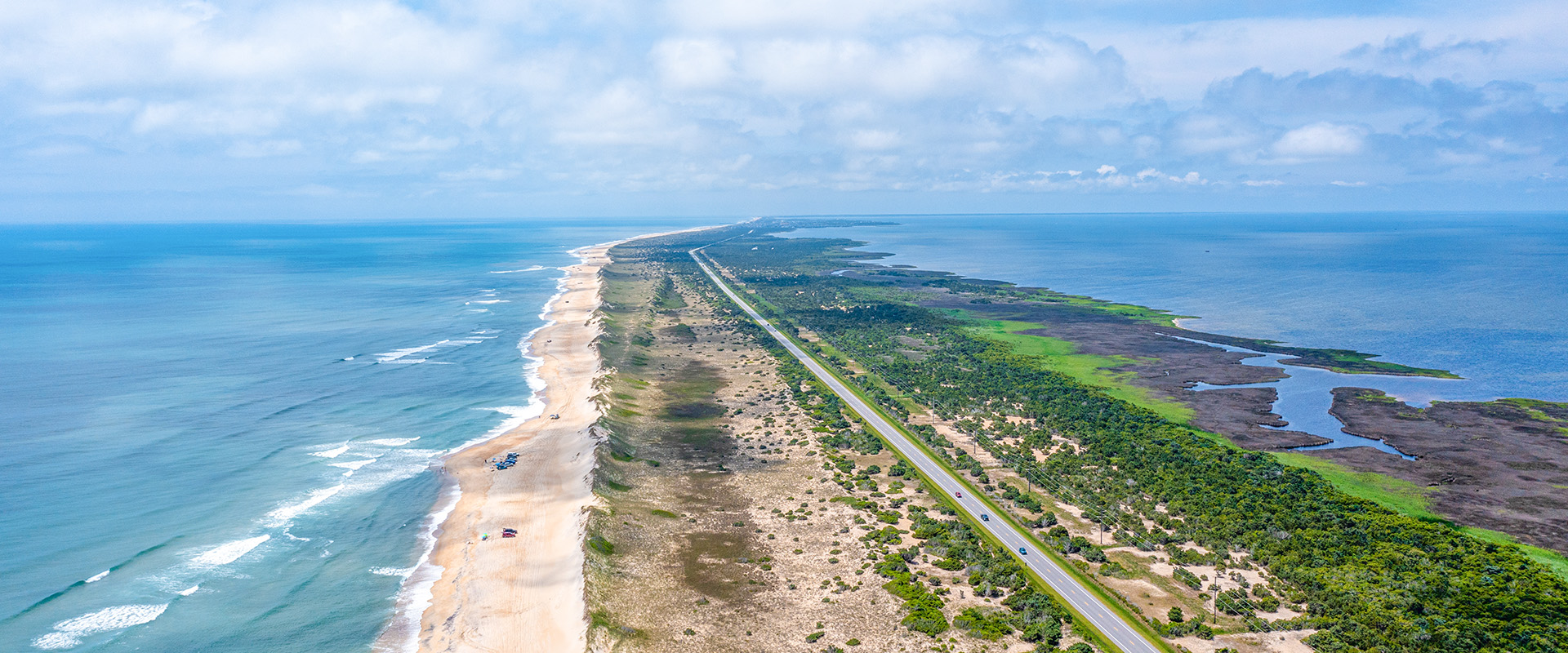
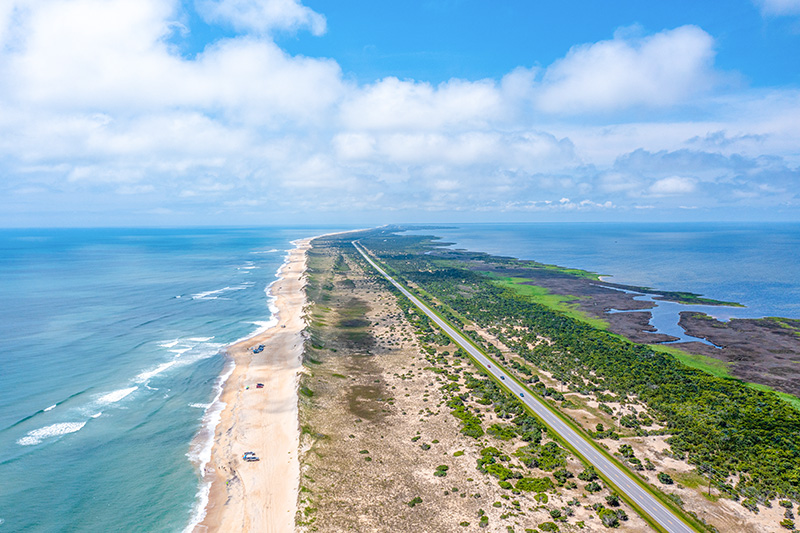
There’s the Outer Banks. There are beach towns on the Outer Banks. And then there’s Hatteras Island. While the Outer Banks keeps guests coming back year after year, Hatteras Island has a certain pull unlike anywhere else. Hatteras Island is a place shaped by winds, tides, and centuries of stories. A 50-mile ribbon of sand where the Atlantic Ocean collides with the Pamlico Sound, where wild dunes outnumber stoplights, and where the night sky still belongs to the stars.
If you’re wondering what makes a Hatteras Island vacation different from anywhere else on the East Coast, the answer is simple: It’s not just a beach. It’s an experience. We had the honor of speaking with a lifetime Hatteras Island local named Andrew. He’s called the island his home for 54 years, and that’s pretty impressive if you ask us. Here’s what he had to say about his home.
A Coastline Written in History
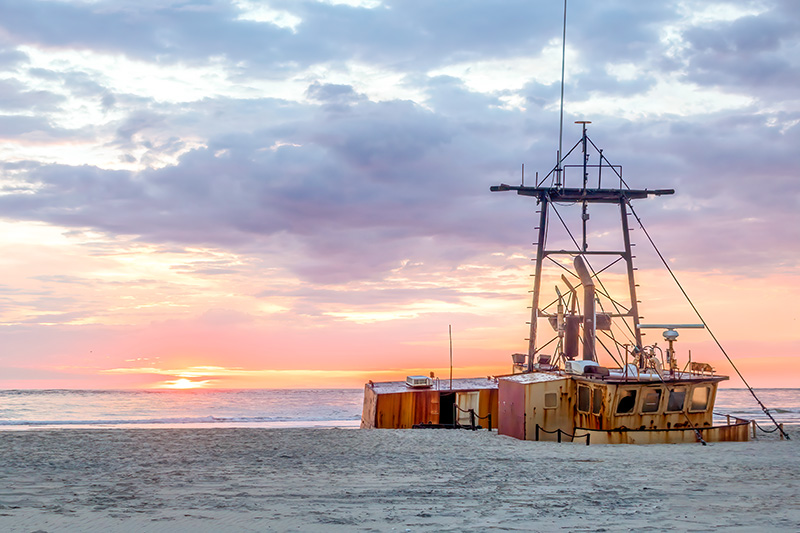
The coastline of Hatteras Island holds one of the richest maritime histories in the U.S. The waters off Hatteras are known as the Graveyard of the Atlantic. An estimated 2,000 to 5,000 shipwrecks rest on the floor of the shifting Diamond Shoals. Explorers, Civil War vessels, World War II ships, including more than two dozen sunk by German U-boats in 1942, and even the submarines themselves have all met their fate off the coast of Hatteras Island. Andrew says that history here isn’t tucked into textbooks. It lives in the tide. You can feel it standing beneath the striped sentinel of the Cape Hatteras Lighthouse, or walking through exhibits at the Graveyard of the Atlantic Museum in Hatteras Village. This island has always been on the edge of something powerful. And that energy still hums today.
A Watersports Playground
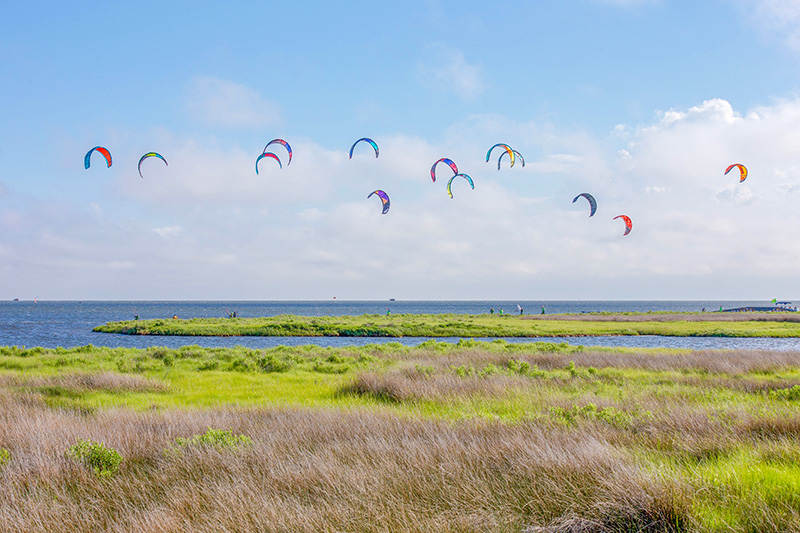
The shallow, steady conditions of the Pamlico Sound have earned Hatteras the nickname “Kiteboarding Capital of the East Coast.” Spots like Canadian Hole and Kite Point offer miles of forgiving water for beginners and adrenaline for seasoned riders. On the ocean side, powerful beach breaks roll in from multiple swell directions. Surfers gather near the lighthouse in Buxton, at Rodanthe Pier, and along stretches of coastline that feel more wild than developed.
America’s First National Seashore
In 1937, the stretch of Cape Hatteras coastline became the nation’s first national seashore. Hatteras Island is home to more than 70 miles of protected shoreline. Just dunes, salt marshes, maritime forests, and open sky. It’s a sanctuary to locals and visitors alike.
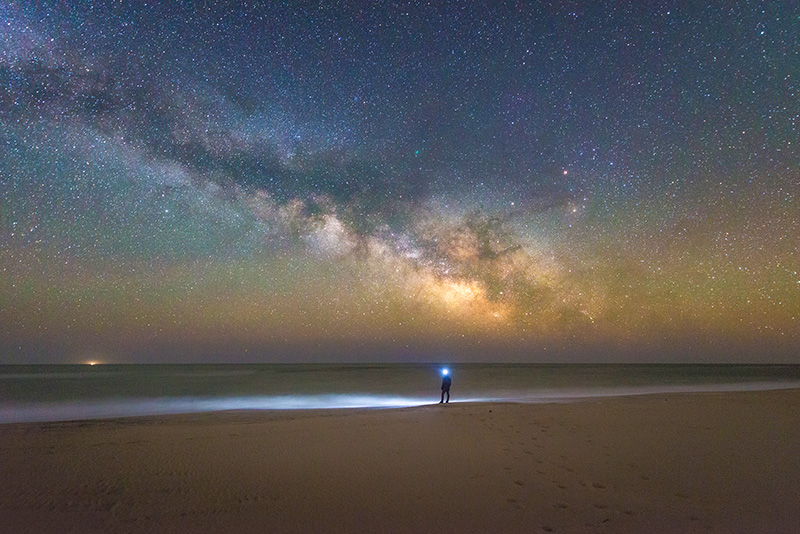
Sea turtles nest in these sands, and over 400 bird species have been documented along this stretch of the Atlantic Flyway, especially near Pea Island National Wildlife Refuge. Because of this protection, you’ve got wide open space. Even during the peak summer months, you can walk for miles on the beaches of Hatteras Island and feel wonderfully alone. And when the sun sets? Andrew says that the stars arrive in full force. Hatteras has some of the darkest night skies on the East Coast, a sight you truly have to see for yourself.
Why a Hatteras Island Vacation Feels Different
When you book a trip to Hatteras Island, you’re not just renting a home for the week. You’re stepping into:
- A coastline layered with history
- World-class fishing & watersports
- Protected shorelines and rare wildlife
- Beaches that feel undiscovered
- Night skies and ocean views that remind you how small and blessed we truly are.
Hatteras Island doesn’t try to impress with neon lights and noise. It wins you over with its peace and authenticity. And once it does? People come back. Again and again.
At Resort Realty, we don’t just offer Outer Banks vacation rentals and call it a day. We help guide you and your family towards the full experience of wherever you stay, Hatteras Island included. From oceanfront homes with breathtaking sunrises to soundside retreats perfect for the watersports enthusiast, our goal is simple: providing a seamless stay and unforgettable memories.
If you’ve been craving a stay that feels less manufactured and more meaningful, Hatteras Island is waiting, and it’s unlike anywhere else on the East Coast.